







CHRISTMAS, CULTURAL & RELIGIOUS FESTIVITIES BEAUTIFUL HEALING HALO EFFECT!!! BE JOYFUL! BE HEALED! Dec. 14, 2025, by Bri- Thanks So Much for Supporting Our Beautiful Original Music Downloads Store! **Dec. 6, ’25 2 Taoist Parables of the Broken Mind Finding HARMONY!!! new***EYES WIDE SHUT- OUR BIGGEST ENEMIES within CITY HALL? ENVIRONMENTAL SHOCKS- WILD HUMAN PREDATOR ANIMALS COMING IN, Dec. 18, ’25- When a Developer commits a HIT and RUN Environmental Catastrophe in Your GARDEN of EDEN Neighborhood Picturesque Gem and City Hall deliberately LOOKS the OTHER WAY- ‘BRING in the Wild Animals to do as they Please!’ See photos the first evening of initial destruction catastrophe! Corrupt City Hall steals our $$$, Dignity, PRIDE- Enables looting our Property & CHILDREN no longer SAFE!!! Dec. 26, ’25 City Hall MEAN GRINCHES thwart Year Long Campaign to STOP CITY PLOWING ROAD SNOW-ICE onto SIDEWALKS- INJURIES!!! Dec. 29, 2025 HARMINGTON NEWS

Shocking General Immigration Divergence into Canada – Over 600,000 from Ukraine, about 10,000 from Israel in 2024 alone; But only ‘A HANDFUL’ or certainly less than 200 or somehow less than 900 Palestinians? Only Palestinians can claim about being hated? But denying ORPHAN young Palestinian Children? North American Media appears incapable of being honest and truthful! MERRY CHRISTMAS! JOY to Our World- Beatles Ringo and Paul will work it all out- 

Scientific Dive about how people’s Mental Health Challenges may be specifically Helped and Healed- Spirit, Body and Mind lifted up in real ways by the CHRISTMAS, CULTURAL & FESTIVITIES RESONATING HALO EFFECT! – By everyone’s Good Behavior and Vibes: Good Energy and Friendliness to Neighbors and Strangers alike, by Caring Empathy and Compassion; by excitement stimulated among communities and various Religious Celebratory Festivities happening about the same time; by children eagerly waiting for Santa & Reindeer- including hearing Christmas stories and songs – about Santa’s Workshop Elves making all the toys, gifts, at their North Pole Workshops; pre-Christmas Parades, Displays,- by GOOD BEHAVIOR REWARDED by Santa and Jesus’s Birth- an UNCONQUERABLE DIVINE HEALING REALITY and COMPASSIONATE HEART everyone can aspire to! #ENJOY, CELEBRATE- HEAL! Dec. 14, 2025, by Bri
 
Understanding the Christmas Resonating Halo Effect: A Scientific Perspective on Mental Health Healing The “Christmas Resonating Halo Effect” can be conceptualized as an extension of the psychological halo effect—a cognitive bias where a positive impression in one domain influences perceptions and experiences in others, creating a cascading or “resonating” uplift. In the context of Christmas, this refers to how the holiday’s positive elements—such as widespread good behavior, communal vibes, empathy, festivities, children’s anticipation, and spiritual themes—generate a holistic boost to mental health, encompassing spirit, body, and mind. This effect isn’t just anecdotal; it’s supported by research in psychology, neuroscience, and social sciences, showing how seasonal positivity can foster resilience, reduce stress, and promote healing. While holidays can sometimes increase stress for some individuals, the focus here is on the evidence-based mechanisms of uplift, drawing from studies on kindness, social connection, anticipation, and spirituality. The Psychological Foundation: The Halo Effect Amplified by Holiday Positivity The halo effect, first described by psychologist Edward Thorndike in 1920 and extensively studied since, occurs when an initial positive trait or experience biases overall judgments favorably.
 
positivepsychology.com
During Christmas, this manifests as a “resonating” chain: festive decorations, music, and acts of goodwill create an initial positive aura that extends to interpersonal interactions and self-perception. For instance, early holiday decorating has been linked to neurological shifts, spiking dopamine levels—a neurotransmitter associated with pleasure and motivation—which can elevate energy and mood.
 
christmastreeassociation.org
This creates a self-reinforcing cycle where positive holiday vibes enhance emotional resilience, countering mental health challenges like anxiety or depression. Research on “mere exposure” effects further suggests that repeated encounters with holiday symbols (e.g., lights, parades) increase favorability and well-being, akin to a “happiness halo” that permeates daily life.
 
marshmclennan.com
In marketing psychology, festive elements like holiday packaging evoke positive emotions that influence broader attitudes, illustrating how Christmas’s aesthetic and behavioral cues can “halo” onto mental states.
 
linkedin.com
Good Behavior and Vibes: The Healing Power of Kindness, Empathy, and Compassion Christmas often amplifies prosocial behaviors—friendliness to neighbors and strangers, caring empathy, and compassion—which have direct, evidence-based benefits for mental health. Acts of kindness during the holidays trigger the release of serotonin and oxytocin, neurotransmitters that reduce stress, elevate mood, and foster a sense of connection.
 
healthymindsphilly.org
Studies show that engaging in generosity, such as holiday giving, boosts mental health by increasing self-esteem and empathy while decreasing cortisol (a stress hormone) and blood pressure.
 
capecod.gov
This aligns with the halo effect, where one kind act resonates to improve overall interpersonal dynamics and personal well-being. Empirically, small acts of compassion during the season can profoundly impact those facing mental health challenges, reminding individuals they are valued and reducing isolation.
 
nestcommunityshelter.org
For example, volunteering or baking for others releases endorphins, alleviating symptoms of depression and anxiety.
 
abundancetherapycenter.com
Self-compassion practices, encouraged by holiday reflections, further enhance resilience, with research indicating lower anxiety and improved relationships.
 
drjuliahoke.com
In communities, this collective “good energy” creates a supportive environment, where empathy strengthens bonds and promotes emotional healing—essentially a resonating halo of positivity that lifts the spirit and mind. Community Excitement and Festivities: Social Connections as a Mental Health Buffer The holiday season’s parades, displays, and overlapping religious celebrations (e.g., Christmas, Hanukkah, Kwanzaa) stimulate communal excitement, which research links to improved mental well-being through enhanced social support and belonging. Participating in cultural festivities reduces stress, improves mood, and fosters feelings of unity, acting as a buffer against depression and burnout.
 
A study on community activities found that festival involvement normalizes mental health by decreasing psychological distress, as measured by tools like the Kessler Psychological Distress Scale.
 
gssinst.org
This social halo effect is particularly potent: events like pre-Christmas parades increase perceived support, which is especially beneficial for at-risk populations, reducing loneliness and enhancing emotional resilience.
 
Broader research on cultural engagement in older adults shows improvements in health-related outcomes, including mental vitality, through shared rituals.
 
pmc.ncbi.nlm.nih.gov
Physically, these activities encourage movement and routine, tying into body-mind benefits like lower anxiety via endorphin release. The excitement from diverse festivities creates a resonant uplift, where communal vibes heal by reinforcing a sense of purpose and connection. Children’s Anticipation and Stories: Sparking Joy and Moral Development The magic of Santa, reindeer, elves, and North Pole workshops—fueled by stories, songs, and the promise of rewards for good behavior—provides a unique mental health boost, especially for children, but with ripple effects on families. Anticipation of Santa’s visit cultivates joy and excitement, positively impacting emotional development by fostering imagination and causal reasoning.
 
Belief in Santa is linked to kindness and moral behavior, as children associate good deeds with rewards, creating a halo of positive reinforcement that encourages empathy.
 
pmc.ncbi.nlm.nih.gov
Psychologically, this narrative-driven excitement doesn’t cause lasting harm upon discovery; most children report positive emotions like pride, with only a minority experiencing temporary negativity.
 
For adults, sharing these traditions reignites childlike wonder, reducing stress and enhancing family bonds. This aspect of the Christmas halo resonates across generations, lifting spirits through shared delight and moral aspirations. Spiritual Dimensions: Jesus’s Birth as an Unconquerable Divine Healing Reality The religious core of Christmas—celebrating Jesus’s birth as a symbol of compassion and divine love—offers profound spiritual healing, integrated with mental health benefits. Religious coping, including holiday rituals, improves psychiatric outcomes by reducing symptoms of psychosis and depression.
 
Faith practices create routines that lower stress and anxiety, providing comfort through community and a sense of purpose.
 
mhanational.org
Studies show that valuing faith and engaging in religious activities significantly reduce depressive disorders, with positive religious coping (e.g., viewing Christmas as a time of compassionate aspiration) enhancing recovery.
 
This spiritual halo integrates body and mind: faith-based communities offer security, reducing isolation, while themes of unconquerable love inspire hope—a key factor in mental resilience.
 
Overall, Christmas’s divine narrative resonates as a healing force, uplifting the whole person. In summary, the Christmas Resonating Halo Effect harnesses psychological, social, and spiritual mechanisms to heal mental health challenges, fostering a lifted spirit, body, and mind through positivity and connection. While individual experiences vary, the evidence underscores its potential as a real, aspirational pathway to well-being.
 
The Resonating Halo Effect in Other Holidays: Positive Spillover for Mental Health The resonating halo effect—where initial positive impressions from holiday elements (e.g., lights, gatherings, generosity) create a cascading uplift in mood, social connections, and overall well-being—extends far beyond Christmas. Many cultural and religious holidays trigger similar mechanisms: heightened prosocial behavior, communal rituals, gratitude practices, and sensory joys that release dopamine, oxytocin, and endorphins, fostering emotional resilience and reducing stress. Research in positive psychology shows that festivals promoting kindness, reflection, and celebration generate “spillover” effects, where positive emotions broaden thinking and build lasting resources (broaden-and-build theory). These holidays often amplify altruism and social bonds, leading to increased happiness, purpose, and mental health benefits. Thanksgiving: Gratitude and Family Bonds as a Halo of Appreciation Thanksgiving emphasizes gratitude, family meals, and reflection, creating a halo where shared abundance spills over into emotional fulfillment. Expressing thanks during gatherings boosts life satisfaction and reduces depressive symptoms by shifting focus to positives. Communal feasting and storytelling strengthen relationships, combating loneliness—a key mental health risk factor.
 
marcsievers.com
Acts of hosting or volunteering (e.g., community meals) trigger the “helper’s high,” enhancing self-esteem and resilience. Diwali: Festival of Lights and Renewal Diwali, the Hindu festival of lights, symbolizes victory of good over evil through lamps, fireworks, sweets, and family visits. The visual splendor and communal joy create a sensory halo, elevating mood via dopamine from lights and celebrations. Gift-giving and home cleaning rituals promote renewal and optimism, reducing anxiety by fostering a sense of fresh starts.
opb.org
 
Charity (dāna) and forgiveness practices enhance empathy and social harmony, resonating as emotional healing. Hanukkah: Miracle of Light and Resilience Hanukkah’s eight nights of menorah lighting, games, and fried foods commemorate perseverance and miracles. The progressive lighting builds anticipation, similar to advent, creating a resonating positivity that combats seasonal affective challenges. Family traditions like dreidel and latkes foster playfulness and connection, boosting oxytocin and joy.
 
Themes of light enduring darkness inspire hope, a protective factor against depression. Eid al-Fitr: Community and Charity Post-Ramadan Eid al-Fitr marks the end of Ramadan with prayers, feasting, and zakat (charity). The collective iftar-to-feast transition releases built-up positivity, while mandatory giving directly aids mental health through altruism’s rewards—lower stress and higher purpose.
abcnews.go.com
nationalgeographic.com
Large congregational prayers and family reunions amplify belonging, reducing isolation. New Year’s Celebrations: Hope and Fresh Starts Global New Year’s traditions—fireworks, resolutions, toasts—evoke optimism and closure. Reflecting on the past while anticipating better futures activates promotion focus (growth-oriented mindset), linked to higher well-being. Parties and countdowns create shared excitement, spilling over into motivated, positive outlooks for the year ahead. Across cultures, these holidays harness similar psychological levers: rituals for meaning, generosity for fulfillment, and communal vibes for connection. This resonating halo uplifts spirit, body (via shared meals/movement), and mind, offering natural buffers against mental health challenges through positivity and empathy. Embracing diverse festivities can amplify these benefits year-round.
 
The Resonating Halo Effect in Lunar New Year Celebrations: Renewal, Prosperity, and Mental Health Uplift Lunar New Year, also known as Chinese New Year or Spring Festival, is one of the most significant holidays in East Asian cultures (celebrated in China, Korea, Vietnam, and diaspora communities worldwide). Marking the start of the lunar calendar, it emphasizes themes of renewal, family reunion, prosperity, and warding off misfortune. This creates a powerful resonating halo effect, where vibrant red decorations, communal rituals, generous acts like giving red envelopes (hóngbāo), and festive performances generate positive emotions that cascade into broader well-being—lifting spirit through hope, body via shared activities, and mind by reducing stress and fostering connection.
 
Family Reunions and Emotional Connections: Combating Isolation The centerpiece is the New Year’s Eve reunion dinner (tuányuán fàn), where families travel great distances to gather, sharing symbolic foods like dumplings (for wealth) and fish (for abundance). This ritual strengthens bonds, providing a profound sense of belonging that buffers against loneliness—a major mental health risk. Reconnecting nurtures emotional well-being, reduces stress, and promotes heart and brain health through shared joy and support. Red Envelopes and Generosity: Altruism’s Halo of Prosperity Giving red envelopes (hóngbāo) filled with money to children and unmarried adults symbolizes blessings for luck and prosperity. The act of generosity releases oxytocin and endorphins, creating a “giver’s high” that enhances mood and self-esteem. Receiving them fosters gratitude and optimism, resonating as hope for the future—aligning with the holiday’s renewal theme. Vibrant Performances and Sensory Joy: Dragon and Lion Dances Parades feature dragon dances, lion dances, fireworks, and firecrackers to scare away evil spirits and welcome good fortune. The energetic movements, loud rhythms, and colorful displays spike dopamine, while communal participation builds excitement and unity
Renewal Rituals: Fresh Starts and Optimism Thorough house cleaning sweeps away old bad luck, while red decorations (lanterns, couplets) invite positivity. This mirrors the “fresh start effect” in psychology, where temporal landmarks motivate growth and separate past struggles from future potential—boosting motivation and mental resilience. Like other holidays, Lunar New Year’s halo stems from prosocial behaviors, cultural rituals, and shared optimism, offering a natural uplift against mental health challenges. Its emphasis on family, generosity, and renewal provides a resonant pathway to joy, connection, and prosperous well-being across generations and communities.

 
The Psychological Fresh Start Effect: Harnessing Temporal Landmarks for Motivation and Change The fresh start effect is a well-documented phenomenon in behavioral psychology where people experience a surge in motivation to pursue goals and adopt positive behaviors following temporal landmarks—distinct points in time that feel like new beginnings. These landmarks create a psychological “clean slate,” allowing individuals to distance themselves from past failures or imperfections, view their current self as improved, and feel more optimistic about achieving aspirations. This effect explains why resolutions spike around New Year’s, but it applies to many other markers, making it a powerful tool for personal growth and mental health resilience.
burnthefatblog.com
Core Mechanisms: Why It Works The effect stems from how we mentally compartmentalize time, treating life like chapters in a book. Temporal landmarks interrupt continuity, creating a perceived break between the “old self” (burdened by past setbacks) and the “new self” (capable and motivated). This leads to:
  • Increased self-efficacy and optimism: Feeling less tied to previous flaws boosts confidence in future success.
  • Big-picture reflection: Landmarks encourage broader life evaluation, highlighting the gap between actual and ideal self, spurring action.
  • Motivational reset: Past imperfections feel farther away, reducing discouragement.
Key evidence comes from the seminal 2014 study by Hengchen Dai, Katherine Milkman, and Jason Riis, published in Management Science. Analyzing real-world data:
  • Google searches for “diet” spiked after landmarks like New Year’s, holidays, or new weeks/months.
  • Gym visits increased (e.g., 33% more at the start of a week, higher after semesters or birthdays).
  • Goal commitments on platforms rose post-landmarks.
These patterns held even controlling for confounds like post-holiday recovery. Examples of Temporal Landmarks Common triggers include:
  • Calendar-based: New year, month, week, season, or semester.
  • Personal: Birthdays, anniversaries, moving, new jobs.
  • Cultural/Holidays: New Year’s, Lunar New Year (house cleaning for renewal), back-to-school, or post-Ramadan Eid.
  • Even minor ones: Mondays or after vacations.
In holidays like Lunar New Year, rituals (e.g., sweeping out old luck) amplify this by symbolically reinforcing renewal.
 
nngroup.com
Ties to Mental Health and Halo Effects Linking to holiday “resonating halo effects,” fresh starts enhance positivity cascades: Kindness, community, and rituals during festive periods create initial uplift, while the landmark timing sustains goal pursuit (e.g., healthier habits post-Christmas indulgence). This buffers stress, reduces isolation, and builds resilience by aligning actions with values. To leverage it:
  • Align goals with upcoming landmarks (don’t wait for January!).
  • Frame ordinary days as starts (e.g., “After this meeting, it’s a new chapter”).
  • Combine with habits: Pair new behaviors with enjoyable rewards for longevity.
While the initial boost fades, understanding this effect turns arbitrary dates into opportunities for LASTING CHANGE UPLIFTING MIND and Spirit through RENEWED PURPOSE! Dec. 14, 2025, by Bri 
 

Welcome Home by Fireside Warmth Dec. 6, ’25
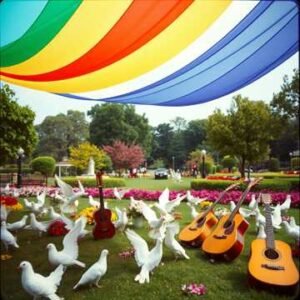
Two Taoist Parables of the Broken Mind Finding Harmony Dec. 6, ’25
1. The Cracked Teacup and the Great River In a mountain village lived a woman named Mei-Hua who once poured tea with the grace of a crane. Then the inner storms came: days when her mind raced like ten thousand horses, nights when it sank into black mud that swallowed every star. Voices argued inside her skull; panic clawed at her ribs; sometimes she forgot who was drinking the tea. The villagers shook their heads. “Mei-Hua’s cup is cracked. She will never serve ”again.” One spring, the old Taoist master Lao-Xuan came to the village. He asked for tea. The elders brought him a perfect porcelain cup, flawless and shining. He waved it away. “Bring me Mei-Hua’s cup.” They found her in the back courtyard, trembling, trying to pour tea while tears fell into the pot. The cup in her hands was chipped, crazed with a web of silver cracks from the times she had dropped it during manic frenzies or frozen spells. Lao-Xuan took the cracked cup gently, filled it, and drank. “Perfect,” he said, smiling. “This tea tastes of sorrow, of lightning, of long nights when the dragons fought inside a woman’s chest. No unbroken cup has ever held tea this alive. He turned to the villagers.
“Water takes the shape of whatever holds it. The Tao does not flow best through perfect vessels; it flows best through vessels that have been broken open. The cracks are where the River enters.” That
 afternoon he sat with Mei-Hua beneath the willow.
“Stop trying to glue yourself whole,” he told her. “The Ten Thousand Things rise and fall, circle and crash. Your mania is the yang wind; your depression is the yin water. When you fight one, you drown the other. When you welcome both, they dance. Let the cup stay cracked. Simply learn to pour slowly, so nothing is wasted.” Years
 later, pilgrims climbed the mountain not for flawless tea ceremonies but for Mei-Hua’s cracked cup. When someone arrived shaking with panic or hollowed by despair, she would fill her trembling, scarred vessel, hand it over, and say: “Drink. Taste how the Tao moves through broken places. The cracks are not your shame. They are the openings where harmony sneaks in.”
2. The Mad Bamboo and the Wind That Never Stops Once there was a bamboo grove on a high ridge. All the stalks grew straight and proud, swaying gently when the breeze passed. Except one. They called it Kuang-Chu—“Mad Bamboo.” Some seasons it shot upward overnight, taller than houses, drunk on spring sap, singing in a voice only the moon could hear. Other seasons it bent almost to the ground, hollow and brittle, creaking as though it might snap and die. The other bamboos whispered, “Kuang-Chu will never learn harmony. It is too wild, too empty, too ”broken.” One winter night the great wind spirit Feng Bo came roaring over the ridge, fierce enough to uproot pines. The perfect bamboos stood rigid, resisting with all their strength. One by one they cracked and fell, their pride shattered. But Kuang-Chu simply opened. When the manic wind filled it, the bamboo sang a high, wild note that pierced the storm. When the wind withdrew and left it hollow and shaking, Kuang-Chu bent low, almost touching earth, yielding completely. The storm passed through it, around it, inside it—never against it. At dawn the ridge was littered with the corpses of straight bamboos. Only Kuang-Chu remained, swaying, scarred, singing a softer song now, the song of something that had learned to dance with the very thing that tried to destroy it. Travelers below heard the music and looked up. An old wandering sage, lying drunk on rice wine and starlight, laughed until he cried. “That,” he said, pointing, “is the supreme virtue—wu wei in a storm. The sage does not resist the illness. The sage becomes the hollow where the illness can blow through without breaking anything that matters.” Word spread. People with minds torn by voices, moods, terrors, and silences began climbing the ridge to sit beside Kuang-Chu. They brought no axes, no ropes, no cures. They simply sat inside its shade and listened to the wind play its cracked body like a flute. And one by one they learned the secret carved into every scar of the Mad Bamboo: The storm is not your enemy.
The hollow is not your shame.
When you stop trying to be the perfect stalk that resists the wind,
you become the music the wind was always trying to play. Bend
 when you must.
Rise when you can.
Stay empty.
Let the Tao blow through the cracks. That
 is harmony.
That is victory.
That is the Way everlasting.
 
Confucian parables of balance
Two Confucian Parables of the Broken Mind Restored to the Golden Mean
1. The Crooked Qin and the Harmony of the Court In the state of Lu there lived a young musician named Zizhang, whose hands had once drawn tears from the Emperor’s own qin with their perfect grace. Then the inner chaos descended: seasons of wild exaltation when he played so fast the strings bled, followed by seasons of black silence when he could not lift the instrument at all. Sometimes voices in his head accused him of crimes he had never committed; sometimes terror froze his fingers mid-note. The court called him mad and banished him from the hall of music. Years passed. The Duke’s orchestra grew technically flawless yet cold; the music sounded like perfect corpses arranged in rows. The people’s hearts grew heavy. One autumn the Master Kong (Confucius) traveled through the ruined village where Zizhang now lived in a broken hut, surrounded by shattered qins. The Master knocked and entered. Zizhang fell to his knees. “Master, my mind is a cracked bell. I ring too loud or not at all. I am unfit for the Middle Way.” Confucius lifted the newest qin (its wood warped, its strings mismatched, its body scarred by frantic carving during manic nights). He tuned it slowly, deliberately, then played. The music that emerged was not perfect by court standards. It wavered. It cracked. It soared and stumbled. Yet every official who heard it from the roadside wept without knowing why. When he finished, Confucius said: “A qin with all strings perfectly equal produces only noise. True harmony arises when high and low, tight and slack, bright and dark answer one another in proper measure. Your mania is the over-tight string; your depression the over-slack. Your voices and terrors are notes outside the scale. Do not saw the instrument in half to silence them. Learn, instead, the art of the Golden Mean: tighten what has fallen slack, loosen what strangles, bring every extreme into measured relationship with its opposite. Then even a crooked qin can restore harmony to the state.”Zizhang returned to the court—not as the flawless prodigy of old, but as First Musician of the Inner Palace. When the manic fire rose, he played slower, grounding the yang. When the black water threatened to swallow him, he played brighter, lifting the yin. When voices screamed, he answered them with measured countermelodies until they joined the harmony instead of shattering it. The Duke declared: “In former days our music was correct but lifeless. Now it is imperfect, yet the kingdom itself breathes more easily.” And the people said, “Zizhang’s cracked qin has taught us that a mind brought back to balance (however scarred) can restore balance to ten thousand hearts.”2. The Unsteady Scales of Magistrate WenIn the state of Wei, a brilliant young magistrate named Wen Zhi was appointed at twenty-five. His judgments were swift and just—until the heavens seemed to withdraw their mandate. His moods swung like a broken pendulum: days of godlike clarity when he settled a hundred cases before breakfast, followed by weeks when he could not leave his bed, convinced he was already damned. Panic attacks struck him in open court; hallucinations turned defendants into demons. The elders demanded his removal. “A ruler must embody the Mean,” they said. “Wen Zhi is extreme in all things unfit.” One spring the Duke invited the Master Confucius to advise on the matter. Confucius requested a private audience with Wen Zhi in the prison where the young man now awaited disgrace. Wen Zhi knelt, trembling. “Master, my scales are broken. One pan flies to heaven, the other plunges to the underworld. How can a fractured man weigh justice for others?” Confucius placed before him a set of bronze scales—one pan cracked, one arm bent from years of rough use. “These scales have served the Ministry of Justice for seven generations,” he said. “They are no longer perfectly even. Yet every dawn the clerks place small counterweights here, a grain there, adjusting until the beam rests level. They do not discard the scales for being damaged. They practice the ritual of constant correction. This is the Doctrine of the Mean in action.” He looked gently at Wen Zhi.
“Your illness is the bent arm and the cracked pan. Do not curse them. Establish rituals of balance: when the high mood lifts you too far, bind yourself with the rope of study and measured speech; when despair drags you down, lift yourself with the counter-weight of friendship and duty. Take the medicines as the clerks take their grains of bronze. Surround yourself with honest ministers who will speak when you veer too far left or right. A magistrate who knows his own extremes and daily corrects them is more trustworthy than one who has never felt the pendulum swing.” Wen
Zhi was restored to office. He kept the old cracked scales on his desk as a reminder. When mania whispered that he was infallible, he touched the bent arm and humbled himself. When depression insisted he was worthless, he touched the counterweights and remembered the rituals that held him steady. In time the people of Wei said, “Other magistrates judge us from perfect heights we cannot reach. Magistrate Wen judges us from the same unsteady ground we all walk, yet he keeps the beam level day after day. His justice feels like our own lives—imperfect, scarred, but sincerely seeking the Mean.” And so it was written in the commentaries:
The superior person is not born in balance;
they achieve balance by never ceasing to adjust the broken scales.
Even a mind once declared extreme
can become the pivot on which a whole kingdom finds harmony. This
 is the Confucian resurrection:
not the absence of the wound,
but the lifelong, dignified discipline
of bringing every extreme back toward the Center,
one small counterweight at a time.

Dec. 6, ’25
 
future study- Buddhist parables of mental equanimity
Zhuangzi parables of acceptance
EYES WIDE SHUT- OUR BIGGEST ENEMIES WITHIN CITY HALL: Are WILD HUMAN ANIMALS & DEVELOPER PREDATORS INVADING from Toronto in a HIT & RUN! (Child Abduction Attempt too, an unforeseen byproduct?)  Enabled by CORRUPT City Hall!!! NO PERMITS, NO NOTHING!!! Desperate Undocumented illegals involved? Is there a story here?
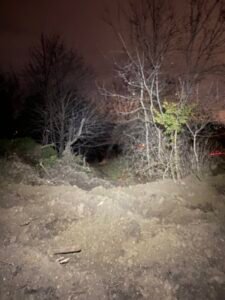
Environmental Discussion- 5 months before obtaining permits, Toronto builder commits what Neighbors called a ‘hit and run’ on local environmentally sensitive area lush with diverse tree species. grasses, a ravine, food for birds, wildlife, frogs, toads, salamanders, snakes, etc. Area used by pregnant Momma Deer for years to birth and raise their Bambis safely for their first 2+ weeks before heading back into the woods-! Welcoming, caring, naturalist nearby Homeowners and Mother Nature in apparent blissful LOVING Harmony!
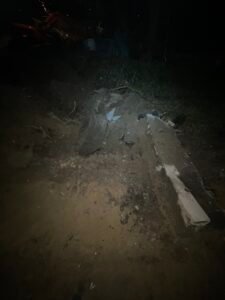
       Builder called his ‘hit and run’ crew ‘wild animals’- ‘STAY COMPLETELY AWAY FROM THEM!’ 40+ trees crushed and slashed, pits dug everywhere- looked like a front-line war zone in one tragic day instead of a Garden in Eden! Neighbors took a few photos before being chased away- One documented the desecration in about 50 or 60 photos at the end of the hit and run first day and thankfully recently shared photos:  Here are a few-collapsing unprotected pits in road- anyone could fall in or be covered by caving in road areas!14+ feet unprotected open pitsMassive unprotected pitsIn morning here existed a flourishing dense green space teeming with wildlife- destruction not yet totalIncredible devastationDumping road debris onto private propertyMassive open pits- Neighbors and Kids walked this areaTree debris scattered everywhere and on private propertyBuilder said no other City would allow this kind of event and especially as the lot is about 70 feet beyond the road. Builder said every other City Government would demand- ‘Pay for, apply and have qualified Engineers, etc. create approved plans and upon receiving permits for completely altering the road and end of street, carefully bring in qualified crews to build sidewalks, curbs, access driveways, new catch basin storm and road water collectors, appropriate road grading and construction, etc. by qualified contractors… Builder says City has required nothing! Real estate sale and purchase listing specified and by an attached diagram, purchaser required to recreate a new road with sidewalk, curbs, driveway access points, sewer collector drains, etc. to create a new end of roadway to the lot line of the new house with a new turnaround (according to Min. of Transportation, etc. Engineering standards…) Everything was brought to the local Councilor but no response. Raised issues at a Public Meeting fore local issues but was escorted out- local Citizens freaking, City Hall looking complicit and unresponsive!



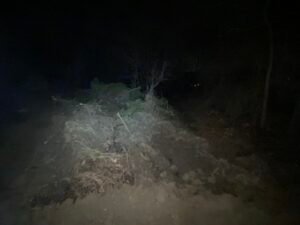


The homeowner who took the pictures is a very qualified person, of good character and is community minded and says he  finds it unbelievable any City enables such behavior and exclaimed: “So anyone can rip apart roads, catch basins, curbs, sidewalks, etc.; leave open pits for days or many weeks, devastate the environment and public and private property- dump debris on private property and never rehabilitate nor compensate for all the destruction.’ Recently saw the owner visiting the site; identified the devastation clearly to him but he said he’s glad they did everything they did- eventually deciding what to do among all their open pits,, clearing all the trees- removing everything, creating a free driveway at no cost instead of paying for the existing road to be transformed into an approved roadway (as every other City demands about 70 feet farther (with Min. of Transportation Engineering Plans, Approvals, Specifications including anew proper end of road turnaround by his lot line, new catch basins, drainage and road alignments, curbs, access driveways, sidewalks, etc.) Dec. 18, 2025, Photos appear taken a year ago- house project ongoing 
 
City Hall also steals our $$$, Dignity & PRIDE! REFUSES to protect property and Loved ones too! Dec. 26, ’25 Our Protection is Up to US watching out for Everyone in our local street or Neighborhood! No one is rescuing us in the critical first minutes or MORE!!! Toronto 911 response time claimed to decrease from 20 minutes to 13 minutes: In 13 or 20 minutes what could a BAD GUY or ‘WILD ANIMAL’ BAD PREDATOR HUMANS do to you, your loved ones and property- Anything they wanted and everything they wanted and be on their way to wherever before Police arrive…
 
Unlike City Hall stealing food from your porch and fining you to boot behavior! thieves’ occasionally case the neighborhood and too obviously approach for a B & E attempt. Police tell homeowners to let them take everything they want- everything you worked for and all your sacred items too- help them to your car keys as a pleasant gesture! Because effectively, police don’t care about us and our property, our PSTD trauma; they are ‘working’ for the bad guys and catch, and release is the justice nonsystem today! Since I don’t agree to wait at the end of the street until they finish ransacking our properties, I approach and calmly speak to the encroachers- appealing I am retired, health issues and please be considerate of our vulnerable Seniors, etc. Generally, they back away after a brief heartfelt appeal but feeling frustrated! Some neighbors have weapons available so how good we speak before they pick the wrong home and face a bloodbath ensuing! The Police don’t care and will ‘always’ arrive too late! Bad Guys know the time schedule! Obviously, some neighbors on every street need to possess weapons at the ready! GOOD GUY, BAD GUY on the street for any invader!
Neighbors, instead of petty bickering, should actively protect everyone on the street, watching for any concerning person as if every house is their own to protect and every person a Family member to protect! NO INVADER PULLS ANYTHING without being spotted and dealt with- “Police are called and coming!” etc. Shouting ‘What’s going on there!’ ‘Calling the Police!’ ‘They’re Coming!’
A Good Neighbor said only days ago, a boy walking his dog was grabbed in an attempted abduction in the neighborhood but kicked and broke free before he could be pulled into the van and driven onto the highway to be murdered a few hours or days later- REMEMBER TORI STAFFORD abducted at her school with only hours to live! Neighbors need to be alert to every situation and be protective- ‘NEIGHBORHOOD WATCH’ protecting everyone as if everyone is Family and we each are bound to protect everyone as our own Family! Love any idea like Home security cameras looking onto the streets catching every person and vehicle! We’re all on our own in Neighborhoods- we need to protect everyone and everyone’s property, right?!! Bless US ALL to STAY SAFE! Yours, Bri Dec. 26, ’25 Are some of these Home Invaders or CHILD PREDATORs ‘wild animals’ City Hall enables developers to exploit- bring in from Toronto willing to do anything to survive and get food-rent money? Dec.  ’25
City Hall Mean GRINCHES thwart our year-long CAMPAIGN to STOP CITY PLOWING SNOW-ICE onto SIDEWALKS= INJURIES!!! Dec. 29, ’25 Just spent hours scrapping snow-ice off a long stretch of sidewalk deliberately plowed onto sidewalk by City! 
Jan. 26, 2026 Update

 the by-law does not give the City the right to push road snow onto your sidewalk. Nor does it say you must remove roadway plow debris—which is materially different from normal snowfall.


❄️ 2. The Core Legal Problem: “Impossible Compliance”

Ontario law does not require a property owner to do the impossible.

Courts have repeatedly held that:

  • A person cannot be penalized for failing to comply with a by-law when the municipality itself creates the hazard.

  • Municipalities owe a duty of care to avoid creating dangerous conditions through their operations (including snow plowing).

If the City plow is depositing:

  • compacted road slush

  • ice chunks

  • gravel and debris

  • windrows too heavy for a homeowner to remove

…then the City is actively interfering with your ability to meet your legal obligations.

This becomes a municipal negligence issue.


❄️ 3. Why This May Constitute Municipal Negligence

A municipality can be liable when:

  • its operations create a hazard,

  • it knows about the hazard, and

  • it fails to take reasonable steps to correct it.

You have:

  • A year of documented complaints

  • Photos

  • Evidence that the City was notified and continued the practice

That pattern matters. Once the City is aware of a dangerous condition created by its own actions, it must take reasonable steps to stop making it worse.


❄️ 4. The “Duty of Care” Standard

Ontario municipalities owe a duty to maintain roads and sidewalks in a reasonably safe condition. This includes not making them more dangerous through plowing practices.

If the City plow is:

  • pushing snow onto the sidewalk instead of away from it,

  • creating a barrier that cannot be removed by a homeowner,

  • making the sidewalk unusable for pedestrians,

…then the City may be breaching its duty of care.


❄️ 5. The By-law Cannot Be Used Against You If the City Causes the Problem

If the City ever attempted to fine you for not clearing the sidewalk, you would have strong arguments:

A. Impossibility of performance

You cannot be penalized for failing to do something the City made impossible.

B. City-created hazard

The City is the source of the obstruction.

C. Procedural unfairness

You notified them repeatedly, and they ignored the issue.

D. Reasonableness standard

Ontario courts expect municipalities to act reasonably, not mechanically.

Leave a Reply

Your email address will not be published. Required fields are marked *